Agineer Engineering the Future of Food

Agineer

Engineering the Future of Food

Latest Articles

Steel Hands in the Field: How Autonomous Harvesting Machines Are Reshaping American Agriculture
Precision Agriculture

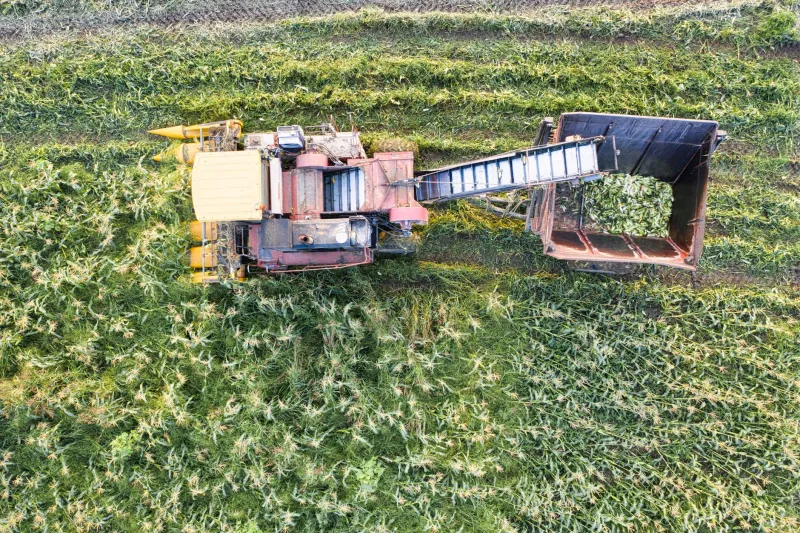
Steel Hands in the Field: How Autonomous Harvesting Machines Are Reshaping American Agriculture

With chronic labor shortages threatening crop yields across the United States, a new generation of AI-powered harvesting robots is moving from prototype to production. Agineer investigates the computer vision systems, robotic engineering, and real-world deployments redefining what it means to bring in a harvest.

Controlled Skies, Real Yields: The Engineering Case for Indoor Agriculture at Scale
Precision Agriculture

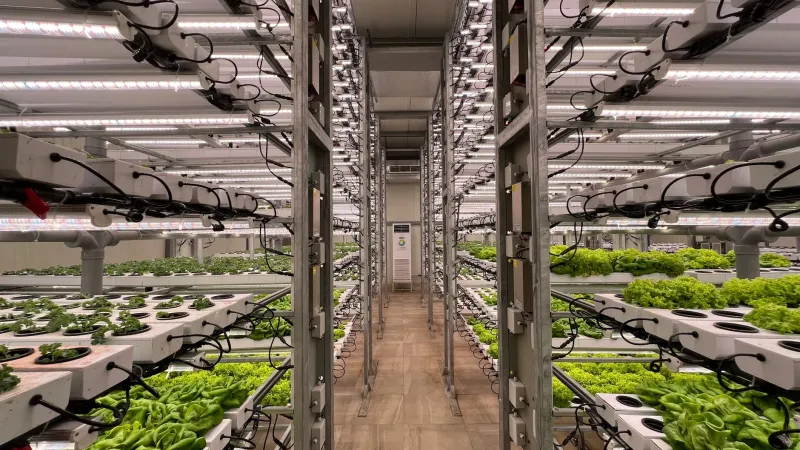
Controlled Skies, Real Yields: The Engineering Case for Indoor Agriculture at Scale

Vertical farming promises year-round yields, water efficiency, and location independence—but can the economics and engineering actually support feeding a nation of 330 million? Agineer examines the technology, the trade-offs, and what the next decade may hold for controlled-environment agriculture in the United States.

Precision at the Molecular Level: Why CRISPR Is Redefining Crop Engineering for American Farmers
Precision Agriculture

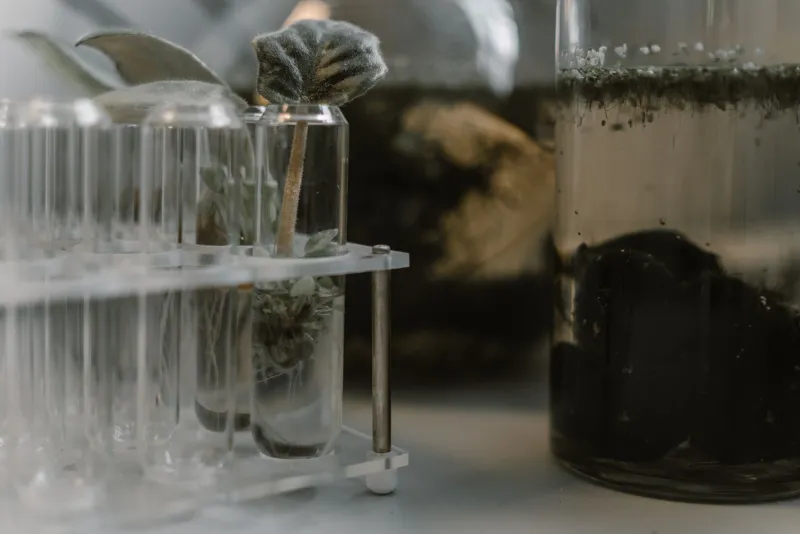
Precision at the Molecular Level: Why CRISPR Is Redefining Crop Engineering for American Farmers

As traditional GMO crops face ongoing regulatory and consumer headwinds, CRISPR-based gene editing is emerging as a fundamentally different approach to crop improvement—one with distinct scientific mechanisms, a shifting regulatory framework, and potentially transformative applications for drought resistance, disease tolerance, and yield optimization across US agriculture.

Precision Agriculture

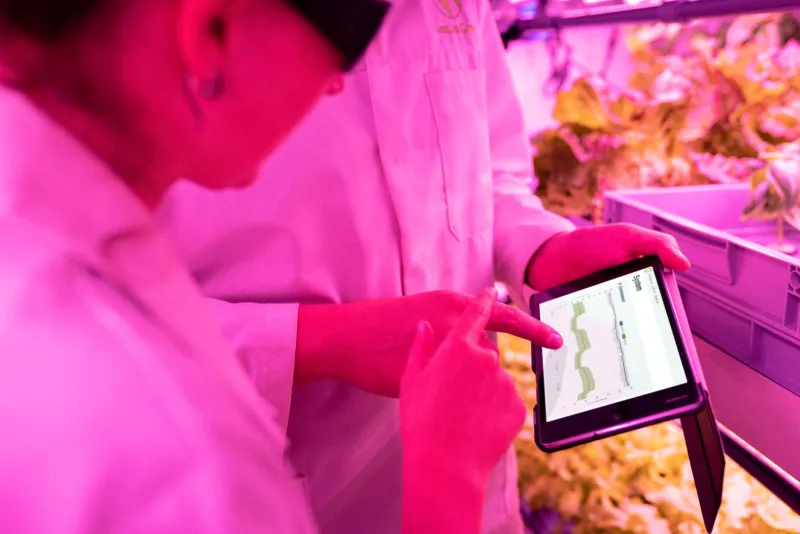
From Guesswork to Gigabytes: How Smart Soil Sensors Are Rewriting the Rules of Irrigation

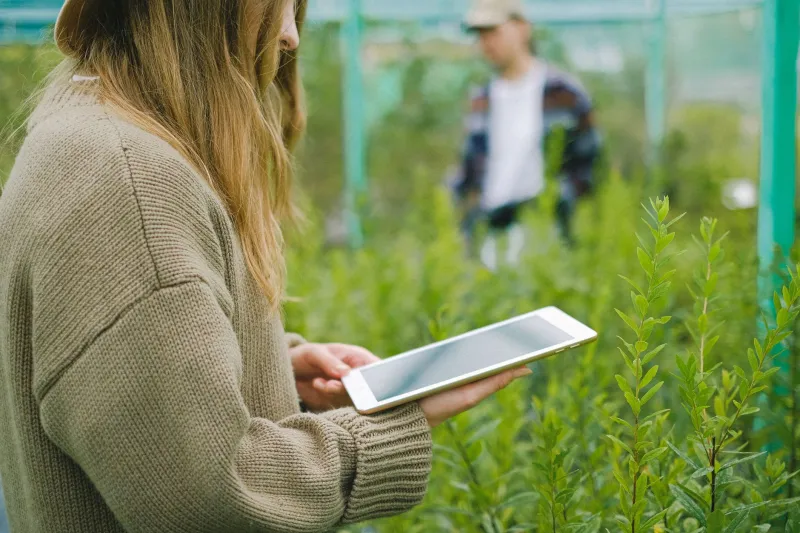
A new generation of IoT-connected soil sensors, paired with machine learning algorithms, is enabling US farmers to make irrigation decisions with a level of precision that was unimaginable a decade ago. Across the corn and wheat belts, mid-sized operations are reporting water savings of up to 40 percent — and agronomists say the technology has finally matured enough to deliver on promises that once seemed premature. This is the story of how data is displacing instinct on the American farm.